




Trending
Now
Embrace the new season with the styles defining today’s fashion scene.
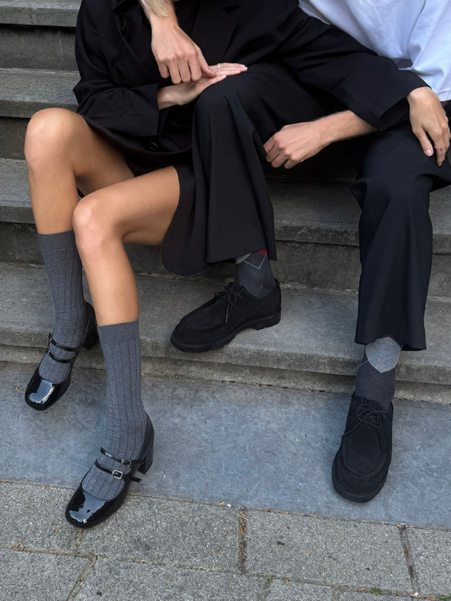
Buy 3, Get 3 Free
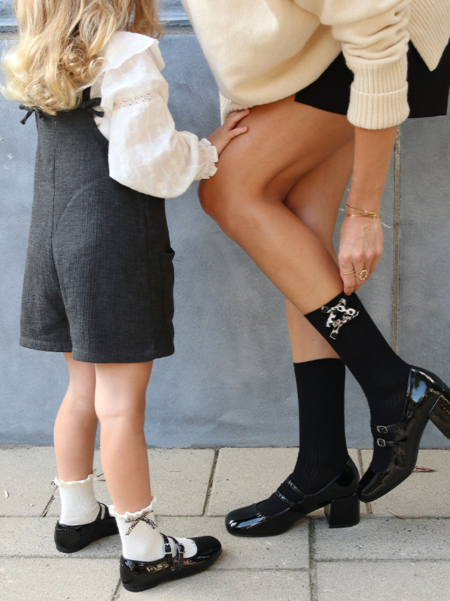
Matchy Socks
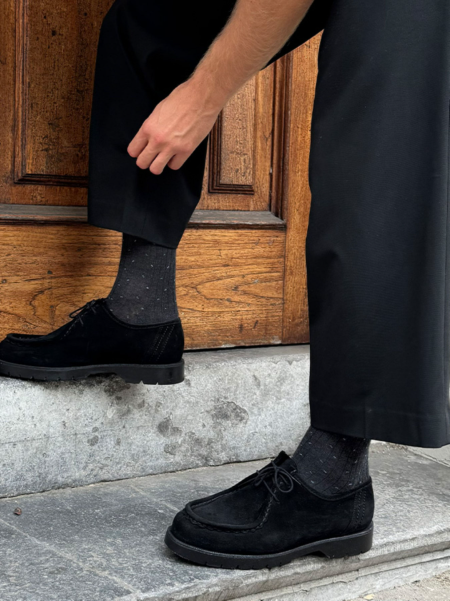
Men’s Edit
The relationship between fashion and leg coverings is a rich and winding one, evolving from simple necessity to a powerful statement of style, elegance, and even personal rebellion. Often perceived as a mere functional garment, sheer legwear holds a surprising amount of cultural weight, acting as a transformative layer that completes an outfit, polishes a silhouette, and whispers of sophistication. This garment, in its myriad forms—from delicate ankle-length pieces to smooth, full-length creations—has consistently held its ground as a wardrobe essential for centuries.
The true magic of this transparent layer lies in its transformative quality. It is akin to a subtle filter for the lower body, providing a smooth, even tone that enhances the natural contour of the wearer’s legs. This effect is not merely cosmetic; it contributes significantly to the overall cohesion and finish of an ensemble. Consider the transition from a casual daylight look to a refined evening appearance. The addition of a whisper-thin covering instantly elevates the dress code, lending a certain formality and deliberate chicness that bare legs often cannot achieve in certain contexts. This utility makes it invaluable in professional environments, ceremonial occasions, and anywhere an air of impeccable grooming is desired.
Historically, the ability to adorn one’s legs with finely woven materials was a clear signifier of status and affluence. Long before mass production made them widely accessible, these delicate coverings were crafted from precious natural fibers like silk, demanding immense skill and time to produce. Royalty and the social elite were among the first to embrace them, turning a practical garment into a symbol of wealth and refined taste. When new, resilient synthetic threads were introduced in the mid-20th century, they democratized this luxury, yet the intrinsic association with polished femininity remained. The rush to acquire the first commercially available stockings made from this novel thread underscores the depth of desire for this item, cementing its place in modern history not just as a piece of clothing, but as a cultural phenomenon.
Beyond its role in formalwear, this legwear has continually intersected with major fashion movements. As skirt lengths dramatically fluctuated, so too did the construction and popularity of leg coverings. The shift to shorter hemlines in the mid-twentieth century made the traditional pieces impractical, giving rise to the unified, all-in-one garment. This new invention was revolutionary, offering unprecedented freedom of movement and a sleek, continuous line that perfectly complemented the youthful, mod aesthetic of the era. It was a garment of liberation, shedding the complex underpinnings of previous decades and embracing a streamlined modernity.
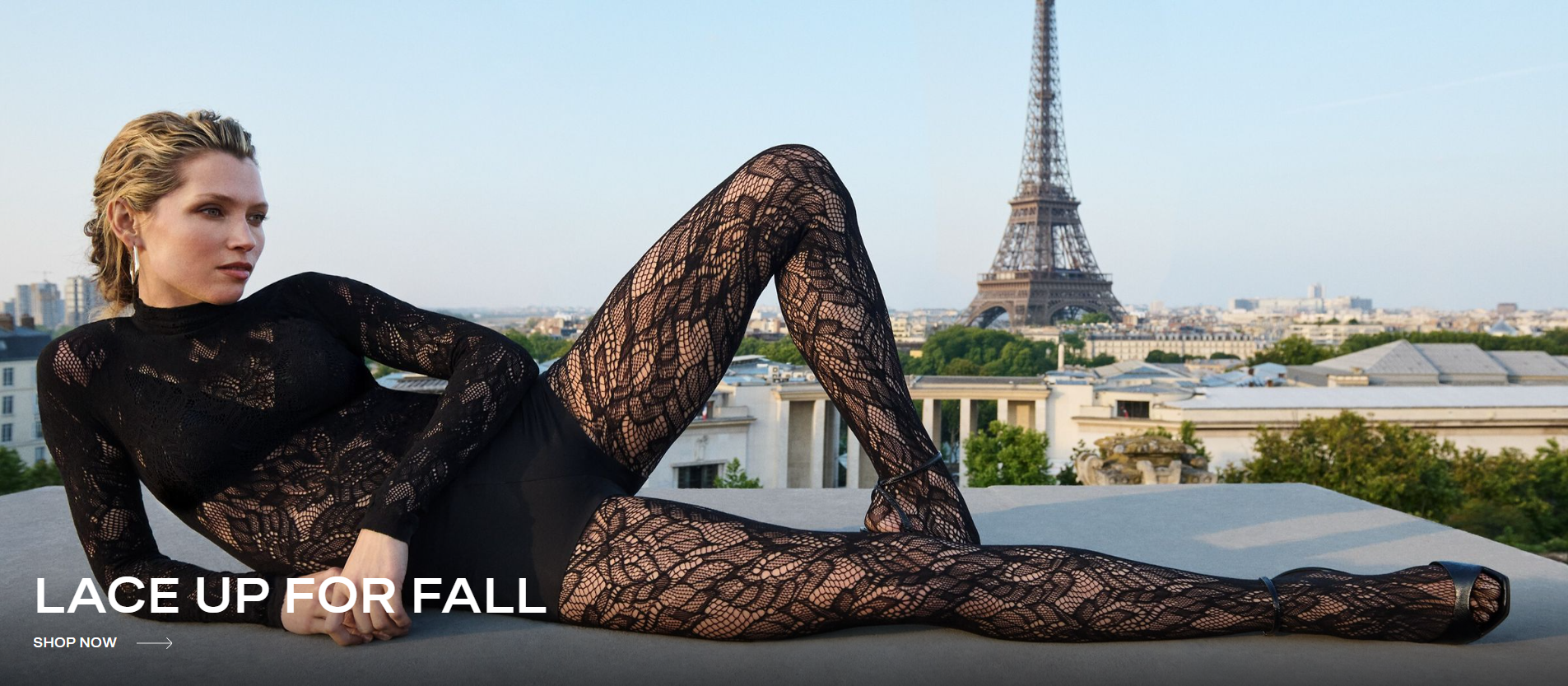
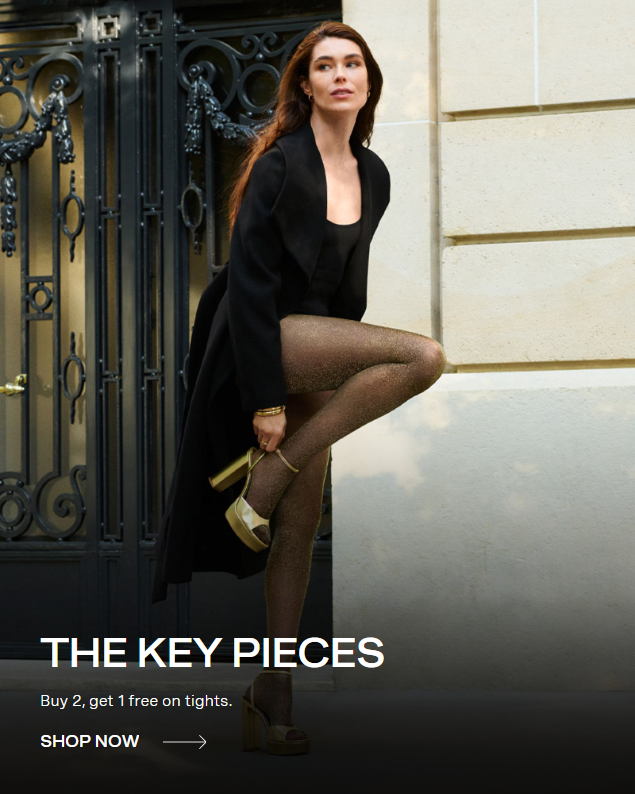
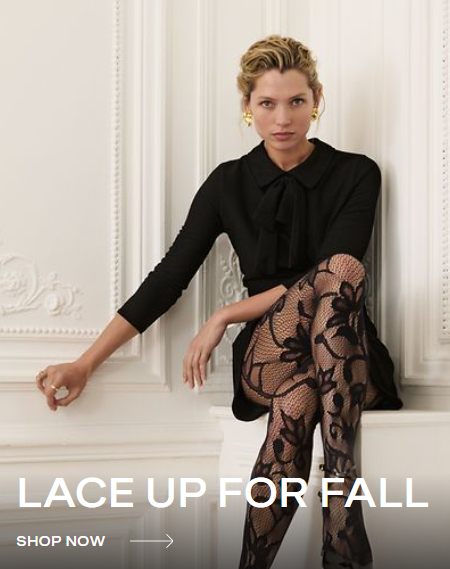
Today, the choices are more diverse than ever. The sheer piece remains a staple, but it is accompanied by a host of textured and patterned counterparts. Fishnets, elaborate weaves, and opaque colors transform the accessory from a neutral polisher into a bold focal point. A dark, textured pattern can lend a rock-and-roll edge to a simple dress, while a subtle shimmer can catch the light and add depth to a monochromatic outfit. It is this adaptability—this ability to be both a supporting actor and a leading star—that ensures its continued relevance.
Ultimately, this leg garment is a quiet testament to the enduring human desire for both elegance and self-expression. It navigates the delicate balance between revealing and concealing, adding an element of mystery and allure that has captivated designers and wearers for generations. It is an investment in the finishing touches, a small piece of fabric with a monumental impact on how an individual presents themselves to the world. To choose to wear this refined layer is to choose polish, history, and a subtle yet undeniable power in one’s presentation. Its survival through countless fashion cycles confirms its status as a timeless classic, continually reinterpreted but never fully abandoned. The history woven into its fine threads speaks of innovation, desire, and the enduring artistry of personal style.